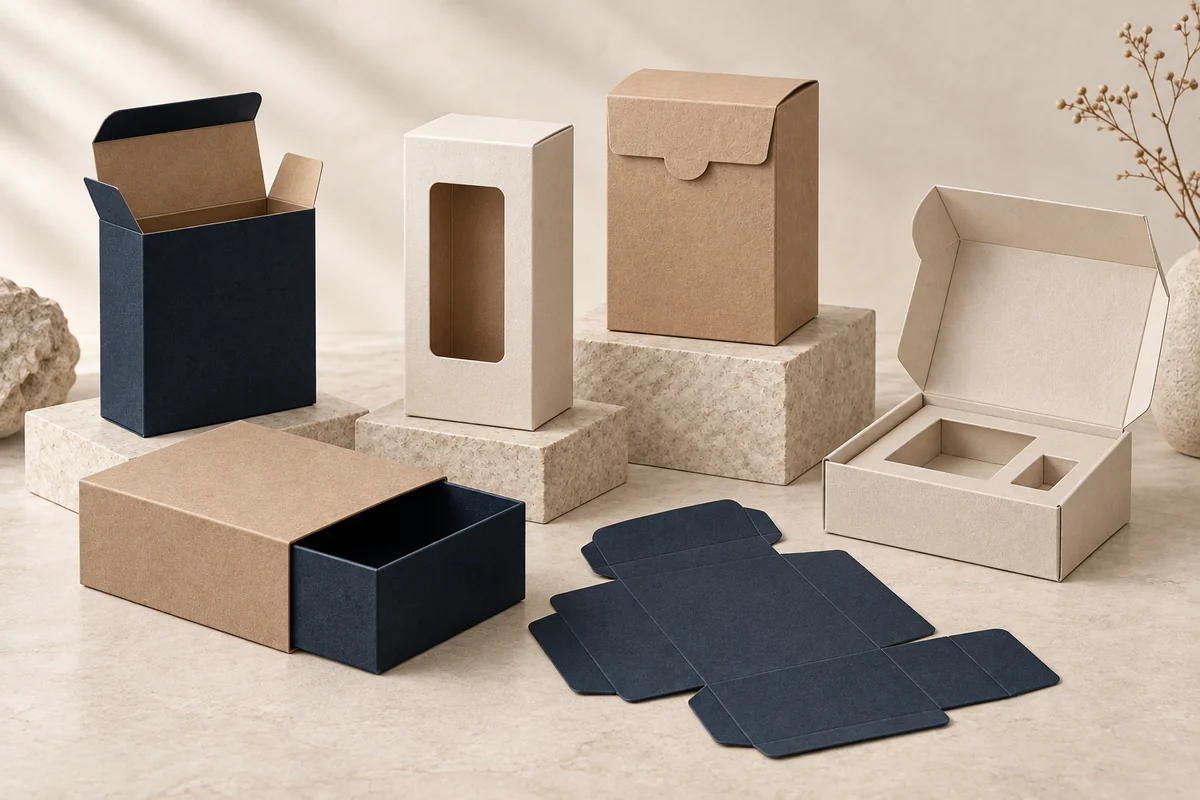
Straight Tuck End
Top and bottom closures align on the same panel for a clean retail format.
Suitable for: Cosmetics, skincare, small retail products
Versatile paperboard packaging for products that need efficient production, strong shelf presentation and practical shipping.
From carton structure and paper selection to print, inserts, production and delivery, we coordinate the complete packaging project.
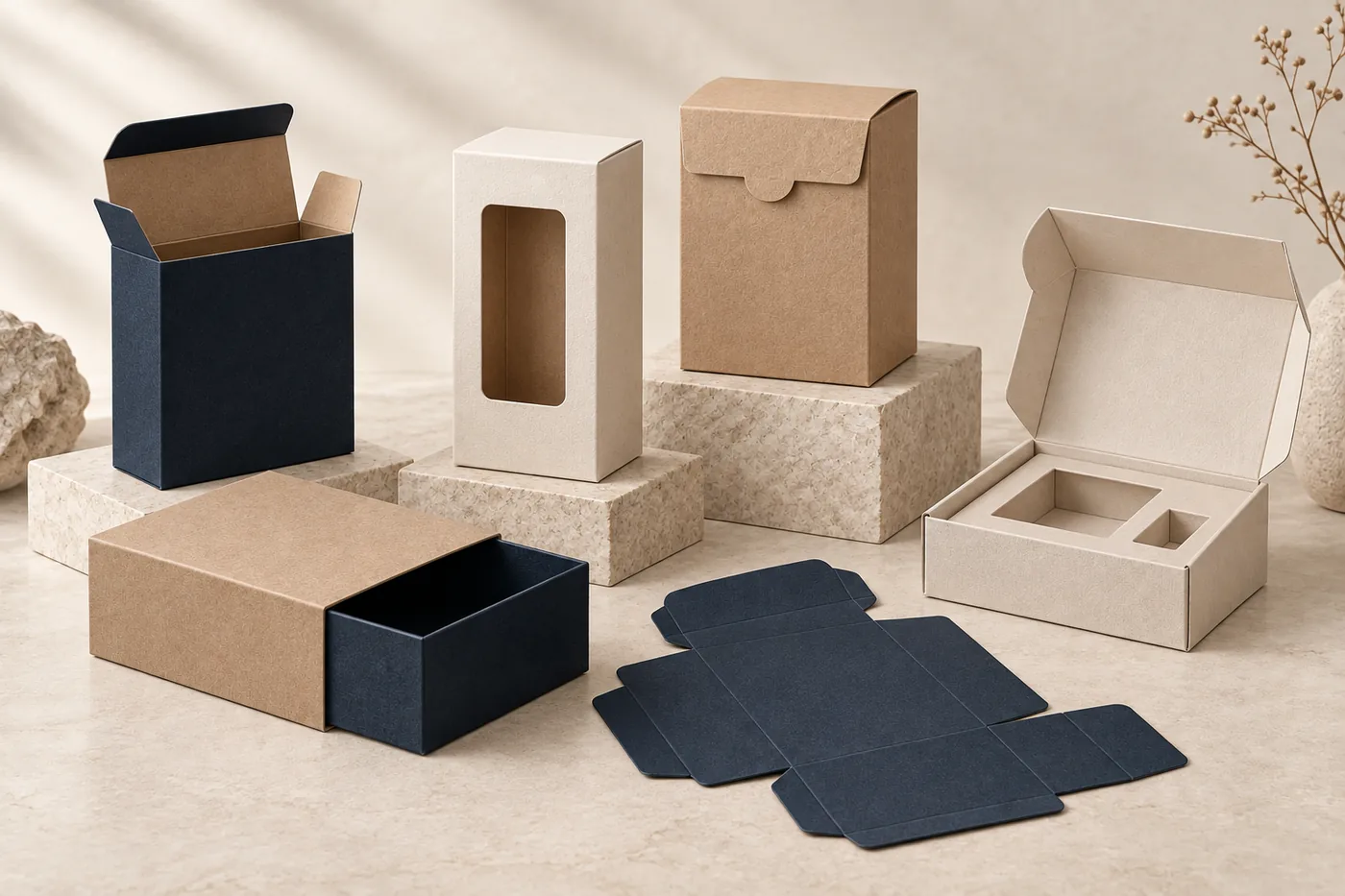
Folding cartons are printed paperboard packages supplied flat or pre-glued and formed for packing. They offer broad structural and graphic flexibility without the permanently formed body of a rigid box.
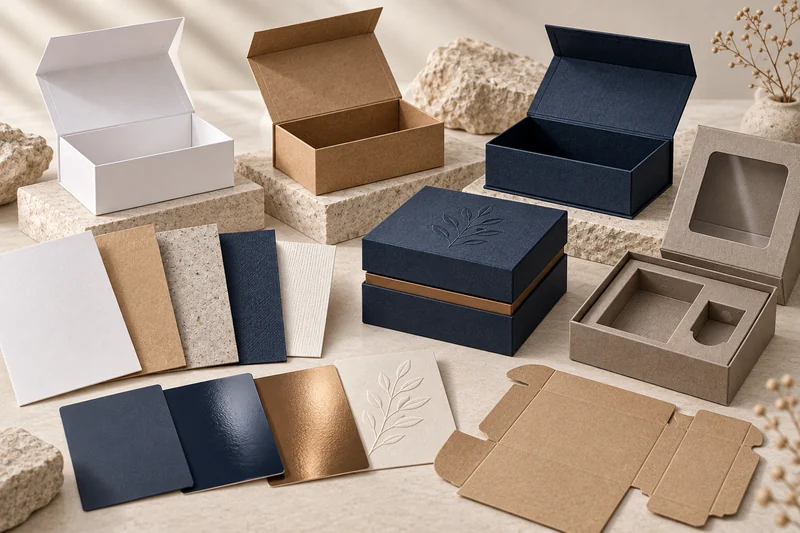
Closure, opening, product weight, packing method and shelf presentation all influence the carton format.
Top and bottom closures align on the same panel for a clean retail format.
Suitable for: Cosmetics, skincare, small retail products
Opposing tuck closures can suit efficient layout and many common retail applications.
Suitable for: Supplements, personal care, light electronics
A pre-glued base supports faster packing where the product needs a more secure carton bottom.
Suitable for: Bottles, jars, moderately heavier products
A printed sleeve adds presentation or information around a tray, box or product group.
Suitable for: Gift sets, product bundles, premium retail
A structural opening can reveal the product when material and protection requirements allow.
Suitable for: Retail products, cosmetics, selected food packs
Materials typically considered for folding cartons include SBS / White Paperboard, Kraft Paperboard, Recycled-content Board. Selection follows the structure, the product and the market, not a default list.
A clean printable board direction for detailed graphics and retail presentation.
A natural paper appearance where the brand direction and print requirements support it.
Options depend on appearance, strength, availability and project requirements.
Textured, colored or tactile surfaces can add distinction to selected carton projects.
Printing and finishing need to work with the chosen board, crease performance, structure and packing process.
Folding cartons can reduce inbound packaging volume because many structures ship flat. Paperboard inserts can also organize and present the product while keeping the material system coordinated.
Most folding carton structures ship flat or pre-glued, so supply format and outer-carton planning are confirmed with the structure.
Share the product, dimensions, quantity, packing method, target market and reference images. We can help define a practical carton and print specification.
Start with what you already know:
We use those to propose a carton structure, board grade and print direction you can price.
A folding carton has to run efficiently through your packing line and still hold the shelf, so structure and board matter as much as the print.
The closure and base decide packing speed and how well the carton performs in transit.
Grade selection balances print resolution, crease quality and strength at the required thickness.
Coatings and foils add shelf presence but must not interfere with creasing or gluing.
Flat-packed supply reduces inbound volume, which changes storage and freight planning.
Carton MOQ is driven by board purchasing, print setup, the cutting die, gluing and how many SKUs share the run. We review the whole setup before naming a figure.
Carton MOQ is influenced by board purchasing, printing setup, die-cutting, gluing, finishing and the number of SKUs.
A carton has to run through your packing line and hold the shelf. These checkpoints take it from a product brief to an approved flat-packed carton.
Share the product, dimensions, quantity and how the carton will be filled and closed.
Choose between tuck-end, auto-lock, sleeve or die-cut formats based on packing method and shelf presence.
Match the paperboard grade to the print detail, crease performance and strength the carton needs.
Check creasing, closure, print registration and product fit on the formed carton.
Follow board, print, die-cutting, gluing and finishing through production and inspection.
Confirm how the cartons are supplied flat or pre-glued, then outer-carton packing and shipping.
For a carton, the product, an approximate size and how you will pack it are the most useful starting details.
Start with the product, an approximate carton size and a reference image. Board grade, print and finishing can all be defined afterwards.
Start the RFQ →MOQ depends on dimensions, board, print, finishing, die-cutting, gluing and SKU allocation. We review the complete specification before recommending a production approach.
Yes. Product dimensions, weight, packing method, quantity and reference images are enough to begin a structure recommendation.
Paperboard or other suitable inserts can be coordinated when the product needs organization, presentation or added protection.
Many folding-carton structures are supplied flat or pre-glued and flattened. The exact packing format depends on the selected structure and production method.
Send product type, quantity by sku, product dimensions and reference images. We will turn them into the next practical specification and quotation step.
Explore components commonly reviewed alongside folding cartons when one project includes more than the primary pack.